


Deciding when a loved one may need assisted living is rarely a simple decision. For many families, the need for additional support develops gradually. Small changes that seem manageable at first can eventually make everyday life more difficult or create concerns about safety, nutrition, medication, or social isolation.
Knowing what to look for can help families have important conversations before a situation becomes a crisis.
Assisted living can provide personalized support while allowing older adults to maintain as much independence as possible. For families in New Hampshire, finding the right environment is about more than identifying a place that provides care. It is about finding a community where a loved one can feel safe, comfortable, respected, and connected.
What Is Assisted Living?
Assisted living is designed for older adults who can benefit from support with everyday activities while still participating in many aspects of their daily lives.
Depending on an individual’s needs, support may include:
- Bathing, dressing, and grooming
- Medication reminders and supervision
- Meals and snacks
- Housekeeping and laundry
- Transportation
- Daily routines
- Social activities and engagement
- Personalized care and support
The goal is to provide assistance without unnecessarily taking away independence.
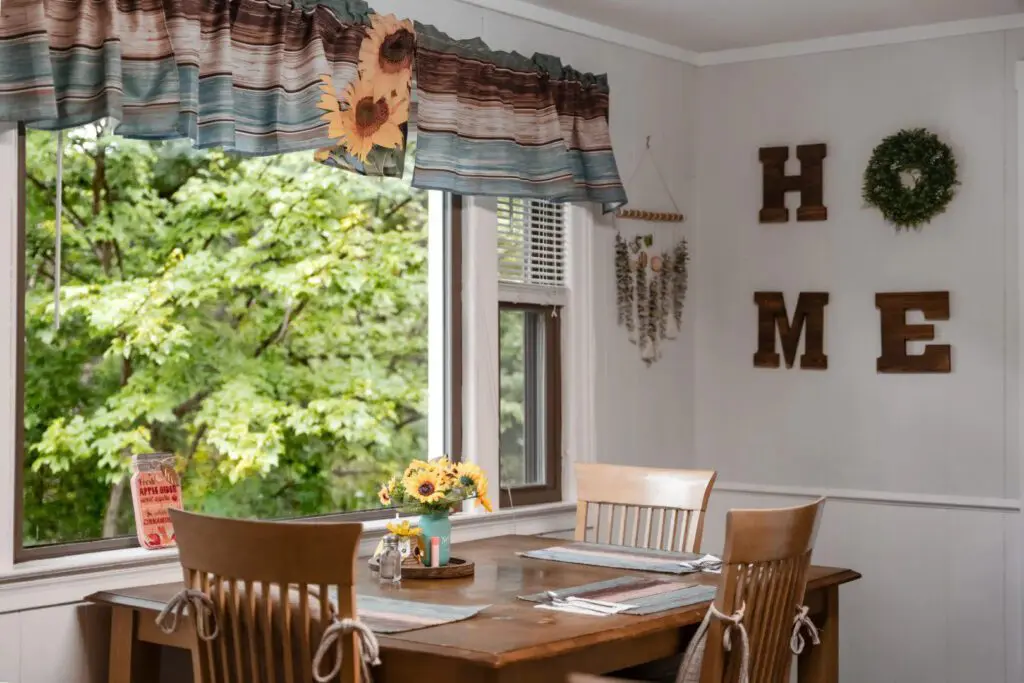
At As Life Goes On, our boutique-style assisted living communities are located in Windham, Derry, and Rochester, New Hampshire. Each provides a residential, home-like environment where Residents can receive personalized support while remaining engaged in daily life.
Signs Your Loved One May Need More Support
There is no single sign that automatically means someone needs assisted living. Instead, families should pay attention to changes that begin affecting safety, health, independence, or quality of life.
Difficulty Managing Daily Activities
Tasks that were once routine may become increasingly difficult.
You may notice that your loved one is struggling with:
- Bathing
- Dressing
- Grooming
- Getting meals prepared
- Keeping up with personal routines
- Managing household responsibilities
Occasional difficulty is not necessarily a reason to move into assisted living. However, consistent challenges may indicate that additional support could improve daily life.
Medication Management Is Becoming Difficult
Managing multiple medications can become complicated, particularly when prescriptions have different schedules.
Missed doses, confusion about medications, or difficulty keeping track of a medication routine may be signs that additional supervision would be helpful.
Meals Are Becoming a Challenge
Nutrition is an important part of healthy aging. Families may notice that a loved one is skipping meals, eating less variety, relying heavily on convenience foods, or having difficulty preparing meals safely.
An assisted living community can provide regular meals while reducing the daily responsibility of shopping, preparing food, and cleaning up.
Household Responsibilities Are Becoming Overwhelming
Housekeeping, laundry, grocery shopping, and other household responsibilities can become increasingly difficult as someone ages.
If a loved one’s home is becoming difficult to maintain or everyday chores are creating stress, assisted living may provide helpful support.
Safety Concerns Are Increasing
Safety concerns are another important factor to consider.
Families may become concerned about:
- Falls or mobility challenges
- Difficulty moving safely around the home
- Forgetting to take medications
- Leaving appliances on
- Trouble managing household tasks
- Increasing difficulty being alone for extended periods
These concerns do not automatically mean assisted living is necessary, but they are worth discussing with your loved one’s healthcare providers and care team.
Changes in Social Engagement Can Matter, Too
Physical needs are only part of the conversation.
Older adults can also benefit from increased social connection, structure, and opportunities for meaningful engagement.
If your loved one has become increasingly isolated, stopped participating in favorite activities, or seems to be spending most of their time alone, a residential community may provide opportunities for companionship and daily engagement.
A smaller assisted living environment can offer regular opportunities to interact with caregivers and other Residents while maintaining a familiar daily rhythm.
When Family Caregiving Becomes Too Much
Family caregivers often step in gradually. A daughter may begin helping with groceries. A son may start managing appointments. Another family member may take over transportation or household responsibilities.
Over time, these responsibilities can become significant.
If caregiving is becoming difficult to balance with work, family responsibilities, or your own wellbeing, it may be time to consider whether a more consistent level of professional support would benefit everyone.
Choosing assisted living is not a failure on the part of a family caregiver. In many cases, it allows families to spend more time being daughters, sons, spouses, and grandchildren rather than focusing primarily on caregiving tasks.
Assisted Living Does Not Mean Giving Up Independence
One of the most common concerns families have is that moving into assisted living means their loved one will lose their independence.
The opposite can often be true.
When an older adult receives assistance with tasks that have become difficult, they may have more energy and confidence to participate in the activities they enjoy.
At As Life Goes On, our approach emphasizes what Residents can do while providing support where it is needed. This can include opportunities for choice, participation in daily routines, social connection, and meaningful activities.
The goal is to help Residents maintain dignity, purpose, and independence while receiving appropriate support.
What If Your Loved One Does Not Want Assisted Living?
It is understandable for an older adult to feel hesitant about assisted living. They may worry about leaving their home, losing independence, or entering an unfamiliar environment.
Rather than approaching the conversation as a decision that has already been made, families may find it more helpful to listen to their concerns and involve them in the process.
Visiting communities together can also make the idea more concrete. Your loved one can see the environment, meet caregivers, ask questions, and begin to imagine what daily life could look like.
The right community should feel supportive rather than restrictive.
Choosing the Right Environment Matters
Once a family decides to explore assisted living, the next step is finding the right environment.
Consider:
Personalized Care
Ask how the community learns about each Resident’s needs, preferences, routines, and personality.
Caregiver Relationships
Strong relationships can help Residents feel comfortable and understood. Look for caregivers who interact with Residents warmly and respectfully.
A Home-Like Atmosphere
A smaller residential setting can feel more familiar and less institutional than a large senior living facility.
Meaningful Engagement
Ask what opportunities Residents have to socialize, participate in activities, enjoy hobbies, and maintain a sense of purpose.
Independence
Find out how the community encourages Residents to participate in daily life and make choices about their routines.
Family Communication
Families should understand how the community communicates changes, concerns, and important information.
A Residential Approach to Assisted Living in New Hampshire
As Life Goes On Elder Care provides boutique-style assisted living in Windham, Derry, and Rochester, New Hampshire.
Our residential communities are designed around personalized care, meaningful relationships, independence, and a warm sense of home. Services may include assistance with activities of daily living, medication reminders and supervision, meals, housekeeping, laundry, transportation, and social engagement.
As Life Goes On also provides specialized memory care in Dover, NH, for individuals living with Alzheimer’s disease and other forms of dementia. Understanding the distinction between assisted living and memory care can help families determine which type of environment is most appropriate.
When Is the Right Time to Consider Assisted Living?
There is no universal age or single event that determines when someone should move into assisted living.
Instead, consider the overall picture.
Is your loved one struggling with everyday tasks? Are safety concerns increasing? Is managing meals, medications, or the household becoming difficult? Has social isolation increased? Is family caregiving becoming unsustainable?
If several of these changes are occurring, it may be worth exploring assisted living options and having a professional care assessment.
Families do not necessarily need to wait until there is an emergency. Exploring options early can give everyone more time to learn about communities, ask questions, and make a thoughtful decision together.
Final Thoughts
Choosing assisted living is a deeply personal decision, but families do not have to navigate it alone.
The right assisted living community can provide personalized support while helping an older adult maintain independence, connection, dignity, and quality of life.
If you are beginning to wonder whether assisted living may be appropriate for your loved one, start by paying attention to changes in daily life. Talk openly with your family, discuss your concerns with healthcare professionals, and visit communities to see what environment feels right.
For families exploring assisted living in New Hampshire, As Life Goes On offers boutique residential communities in Windham, Derry, and Rochester, with personalized care designed to help Residents continue living meaningful, connected lives.
Frequently Asked Questions About Assisted Living
How do I know when my loved one needs assisted living?
There is no single sign. Difficulty with bathing, dressing, meals, medications, housekeeping, mobility, or maintaining a safe home can all indicate that additional support may be helpful. Increasing isolation or caregiver burnout may also be factors to consider.
Should we wait until there is a crisis before considering assisted living?
Not necessarily. Exploring assisted living before a crisis can give families more time to understand their options and make a thoughtful decision. It can also give your loved one an opportunity to participate in choosing a community.
Can someone maintain their independence in assisted living?
Yes. Assisted living is intended to provide support with areas where help is needed while encouraging Residents to remain as independent and involved in daily life as possible.
What is the difference between assisted living and memory care?
Assisted living generally supports older adults who need help with everyday activities but do not require specialized dementia care. Memory care provides additional structure, supervision, and dementia-specific support for individuals living with Alzheimer’s disease or other forms of dementia.
What if my loved one refuses assisted living?
Start by listening to their concerns. They may be worried about losing independence or leaving their home. Visiting communities together and involving them in decisions can help make the process feel more collaborative.
What should families look for in an assisted living community?
Look at the quality of care, caregiver relationships, atmosphere, personalized support, daily activities, meals, opportunities for independence, and communication with families. A personal visit can help you understand whether the community feels like the right fit.
Where does As Life Goes On offer assisted living?
As Life Goes On offers assisted living at Pine Hill Retirement in Windham, Beaver Lake Lodge in Derry, and Rosewood Manor in Rochester, New Hampshire. Its Dover communities, Johnson Creek Village and Wadleigh House, provide memory care services.