


Moving a loved one into assisted living can be a major transition for the entire family. Even when everyone agrees that additional support is needed, it is natural to have questions about what the move will be like, how your loved one will adjust, and what daily life will look like afterward.
For many families, understanding what to expect can make the transition feel less overwhelming. Assisted living is not about giving up independence. The right community can provide personalized support while helping older adults continue participating in the routines, activities, and relationships that make life meaningful.
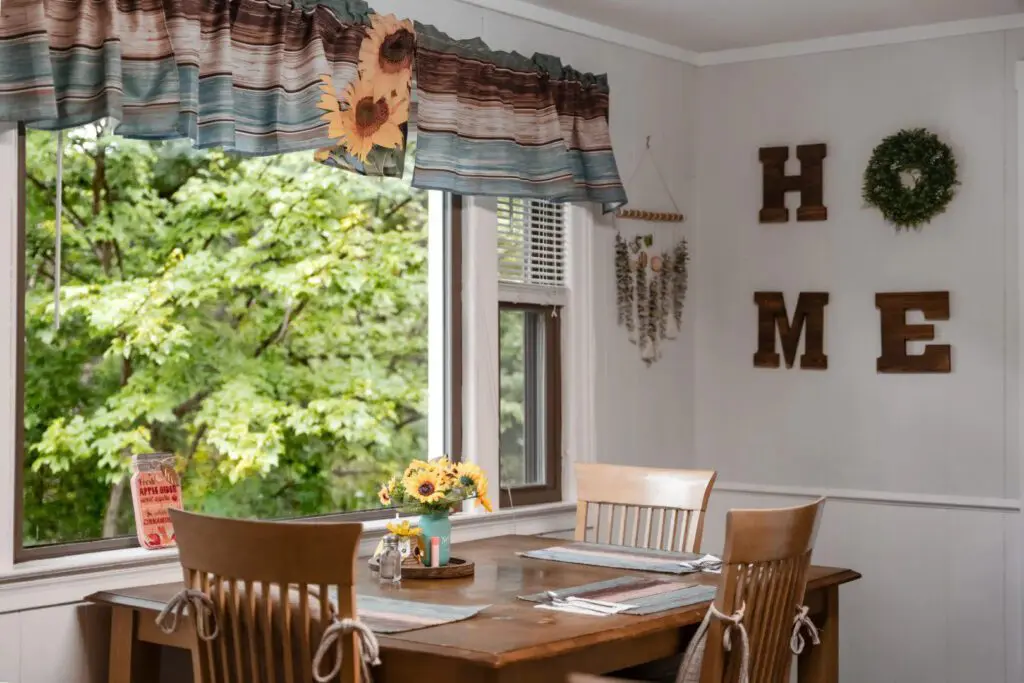
At As Life Goes On Elder Care, we provide boutique-style assisted living in Windham, Derry, and Rochester, New Hampshire. Our residential communities are designed to provide compassionate care in a warm, home-like environment where Residents can feel comfortable, connected, and supported.
Why Moving Into Assisted Living Can Feel Like a Big Change
Moving from a longtime home into a residential care community can bring a mixture of emotions. Your loved one may feel excited about having more support and social opportunities while also feeling uncertain about leaving a familiar home.
Family members may experience similar emotions. It is common to wonder whether you are making the right decision or worry about how your loved one will adjust.
These feelings are a normal part of the transition. Taking time to prepare, communicate openly, and involve your loved one in decisions can help make the move more comfortable.
What Happens Before the Move?
Before moving into assisted living, families typically have an opportunity to learn more about the community, discuss care needs, and develop a personalized care plan.
At As Life Goes On, the process begins with understanding your loved one’s individual needs, preferences, routines, and care requirements. This helps our team determine whether the community is a good fit and how we can best support your loved one.
Families can use this time to ask questions about:
- Daily routines and activities
- Personal care assistance
- Medication reminders and supervision
- Meals and dietary preferences
- Housekeeping and laundry
- Social activities and engagement
- Family communication
- The transition and move-in process
Having these conversations ahead of time can help everyone feel more prepared.
What Should a Loved One Bring to Assisted Living?
One of the easiest ways to make a new environment feel familiar is to bring personal items from home.
Depending on the space available, families may want to bring:
- Favorite photographs
- Familiar artwork or decorations
- Comfortable bedding
- Favorite books
- A favorite chair or small piece of furniture
- Clothing for different seasons
- Personal items that reflect hobbies and interests
You do not necessarily need to recreate an entire home. A few meaningful belongings can help make a new room feel familiar and personal.
What Can the First Few Days Look Like?
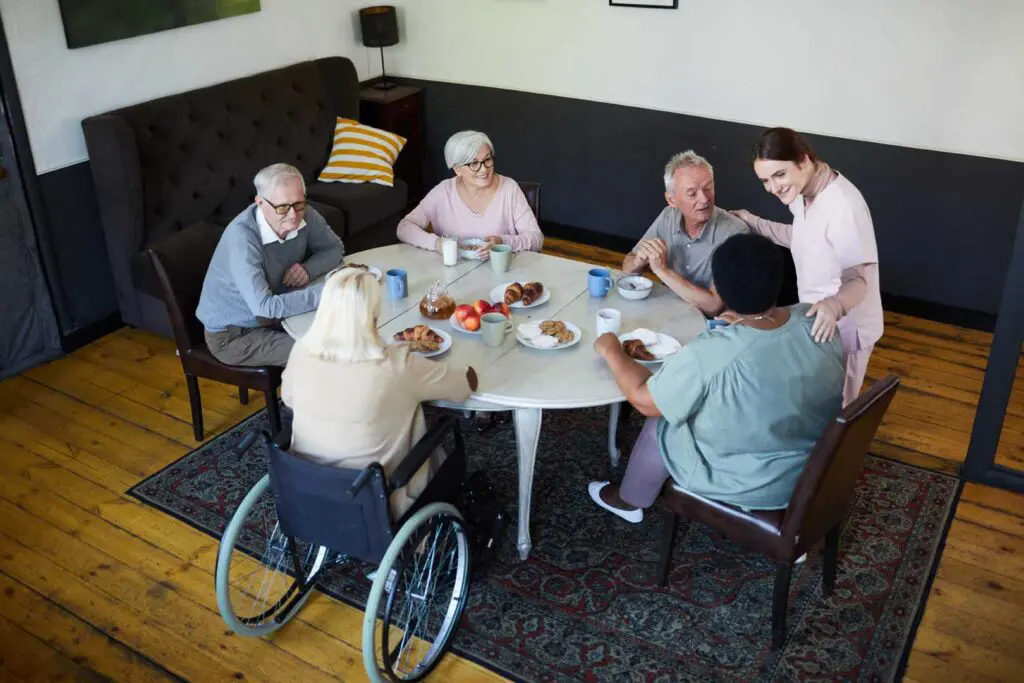
The first few days may involve getting familiar with a new environment, meeting caregivers and other Residents, learning daily routines, and settling into a new schedule.
Some older adults adjust quickly, while others need more time. It is important not to expect everything to feel completely natural right away.
A consistent daily routine can help. Familiar mealtimes, activities, caregivers, and spaces can provide a sense of structure and comfort as your loved one becomes familiar with the community.
Maintaining Independence After the Move
One of the biggest misconceptions about assisted living is that moving into a care community means giving up independence.
In reality, the right support can help older adults remain independent in the areas where they are able to do things for themselves.
At As Life Goes On, our approach focuses on encouraging Residents to participate in daily life while receiving assistance with tasks that have become challenging. This may include support with bathing, dressing, grooming, medication, meals, and other daily activities.
The goal is not to take over. It is to provide the right level of support while encouraging Residents to remain active participants in their own lives.
Building Relationships With Caregivers
Strong caregiver relationships can make a significant difference during the transition into assisted living.
When caregivers take the time to learn a Resident’s personality, preferences, routines, and interests, care can feel more personal and familiar.
This relationship can also help families feel more comfortable knowing that their loved one is being supported by people who understand them as an individual.
In a smaller residential setting, Residents can benefit from a more intimate environment where meaningful relationships and familiarity are part of daily life.
Staying Connected With Family
Moving into assisted living does not mean family involvement ends.
Family members can continue to play an important role in their loved one’s life by visiting, calling, participating in activities, sharing meals when appropriate, and staying involved in important decisions.
Regular communication can also help families understand how their loved one is adjusting and give the care team additional insight into their preferences and routines.
Helping a Loved One Feel at Home
Creating a sense of home is about more than decorating a room. It is about helping your loved one feel known, comfortable, and connected.
Families can help by:
- Bringing familiar belongings from home
- Maintaining familiar routines when possible
- Encouraging favorite hobbies and interests
- Visiting regularly
- Participating in community activities
- Talking about positive experiences at the new home
- Giving their loved one time to settle in
Small touches can make a meaningful difference.
What Families Can Expect From As Life Goes On
As Life Goes On Elder Care offers boutique-style assisted living communities in Windham, Derry, and Rochester, NH. Each community is designed to provide personalized support in a smaller, residential environment.
Our assisted living services can include support with daily living activities, medication reminders and supervision, meals, housekeeping, laundry, transportation, social opportunities, and daily routines.
For families seeking memory care, As Life Goes On also operates memory care communities in Dover, NH. These communities provide specialized support for individuals living with Alzheimer’s disease and other forms of dementia.
Understanding the difference between these care options can help families identify the environment that best fits their loved one’s needs.
Give Your Loved One Time to Adjust
There is no universal timeline for adjusting to assisted living. Some people quickly embrace their new routines and relationships, while others need additional time and reassurance.
Try to focus on progress rather than expecting an immediate adjustment. As your loved one becomes more familiar with caregivers, other Residents, activities, and daily routines, the community may begin to feel more like home.
The right assisted living environment can provide more than daily support. It can create opportunities for connection, purpose, independence, and meaningful experiences.
Final Thoughts
Moving a loved one into assisted living is a significant step, but it can also be the beginning of a new chapter.
With personalized support, a comfortable environment, meaningful engagement, and strong caregiver relationships, assisted living can help older adults continue living with dignity and independence while giving families greater peace of mind.
If your family is considering assisted living in New Hampshire, take time to understand your loved one’s needs, visit potential communities, and find an environment where they can feel comfortable and truly at home.
Frequently Asked Questions About Moving Into Assisted Living
How long does it take to adjust to assisted living?
Every person is different. Some Residents adjust quickly, while others may need several weeks or longer to become comfortable with a new environment and routine. Familiar belongings, consistent routines, regular family visits, and positive relationships with caregivers can help.
What should my loved one bring when moving into assisted living?
Families can bring clothing, photographs, favorite books, decorations, bedding, and other personal items that make the space feel familiar. The specific items will depend on the size and layout of the accommodations.
Can my loved one maintain their independence in assisted living?
Yes. Assisted living is designed to provide support where it is needed while encouraging Residents to remain as independent as possible. The right level of assistance can help older adults continue participating in daily activities and making choices about their routines.
How can family members help with the transition?
Regular visits, phone calls, familiar belongings, and continued involvement in your loved one’s life can all help. It is also important to give your loved one time to adjust without expecting everything to feel comfortable immediately.
What should families look for when choosing an assisted living community?
Consider the level of personalized care, the environment, caregiver relationships, daily activities, meals, opportunities for independence, and how the community communicates with families. Visiting in person can also help you determine whether the environment feels like a good fit.